
language
English
العربية
বাংলাদেশ
Български
Hrvatski
Česky
Dansk
Nederland
 Esperanto
Slovenski
Filipino
Suomi
Français
Maori
 Shqiptare
Georgian
 Euskara
Deutsch
Ελλάδα
ישראל
इंडिया
Magyarország
Ísland
Indonesia
Irlanda
Italia
日本語
Sovensko
Հայաստան
한국
Kyrgyz
ປະເທດລາວ
 Zulu
Zulu
Latvian
Lithuanian
Luxembourgish
 Latinus
Macedonian
Малайская
Maltese
Монгол улс
 Cymraeg
ဗမာ
 தமிழ்
தமிழ்
नेपाल
Norge
ایران
Polska
Portugal
România
Российская
Србија
 Slovak
Србија
 Slovak
Bosanski
Slovenian
Беларус
España
Sverige
Точик
ประเทศไทย
Türk
Azərbaycan
Uzbek
 Afrikaans
Việt Nam
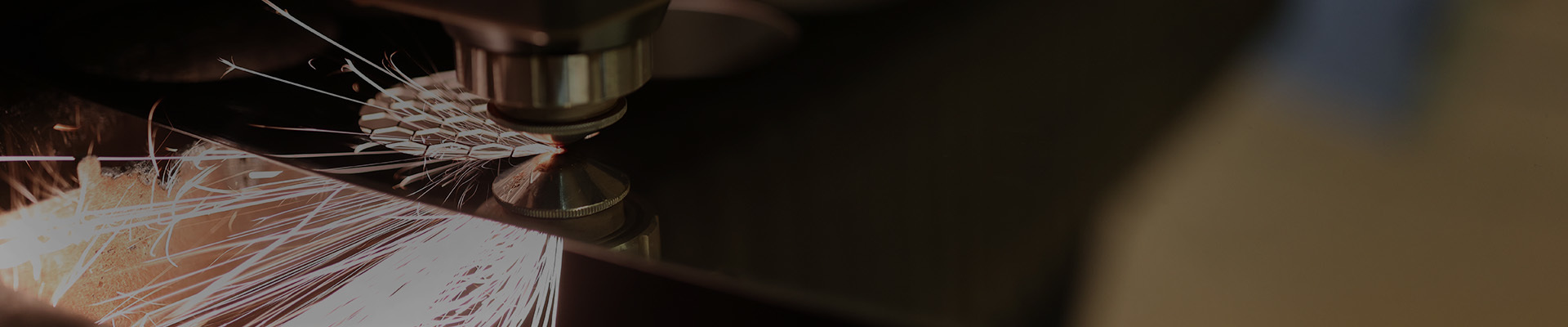
Unlocking Precision: How Fiber Laser Technology Transforms Electronics
Posted on:
2025-11-28

Unlocking Precision: How Fiber Laser Technology Transforms Electronics
Table of Contents
- Introduction to Fiber Laser Technology
- What Are Fiber Lasers and How Do They Work?
- Applications of Fiber Lasers in Electronics Manufacturing
- Advantages of Using Fiber Laser Technology in Electronics
- Comparing Fiber Lasers with Traditional Laser Technologies
- Future Trends in Fiber Laser Technology for Electronics
- Challenges and Considerations in Implementing Fiber Lasers
- Frequently Asked Questions
- Conclusion
Introduction to Fiber Laser Technology
In the rapidly evolving world of electronics, the demand for precision and efficiency has never been higher. Fiber laser technology has emerged as a game-changer, offering unparalleled capabilities that are transforming how manufacturers approach production. This article delves deep into the intricacies of fiber laser technology, its applications in the electronics sector, and the advantages it brings to the table.
What Are Fiber Lasers and How Do They Work?
Fiber lasers are a type of solid-state laser that use optical fibers doped with rare-earth elements such as ytterbium, neodymium, or erbium as the gain medium. Unlike traditional lasers, which use bulky components and mirrors, fiber lasers are compact and efficient. The design allows for high-quality beam output, providing a high level of precision in various applications.
The working principle of a fiber laser involves pumping light into the doped fiber, which then amplifies the light and produces a coherent beam. This beam can be finely focused, making fiber lasers ideal for applications requiring intricate cutting or engraving. The result is a technology that not only enhances efficiency but also improves the quality of the finished product.
Applications of Fiber Lasers in Electronics Manufacturing
Fiber lasers have found extensive applications in the electronics manufacturing industry. Some notable uses include:
Precision Cutting
Fiber lasers excel at cutting thin materials used in electronic devices. Their ability to deliver focused beams results in clean cuts with minimal thermal distortion, essential for components such as circuit boards and semiconductors.
Marking and Engraving
The marking and engraving capabilities of fiber lasers allow manufacturers to etch serial numbers, logos, and other essential information on electronic components with high clarity and durability.
Welding
Fiber lasers are increasingly used for welding operations, particularly in micro-welding applications common in electronics. Their precision helps create strong, reliable joints without damaging surrounding materials.
Advantages of Using Fiber Laser Technology in Electronics
The advantages of fiber laser technology in electronics manufacturing are manifold, making it an attractive choice for many manufacturers:
Increased Precision
Fiber lasers offer exceptional precision, allowing for tighter tolerances in manufacturing. This precision translates to better performance and reliability in electronic products.
Efficiency and Speed
Fiber lasers operate at high speeds, significantly reducing production times. Their energy efficiency also means lower operational costs, making them more sustainable in the long run.
Low Maintenance
The solid-state nature of fiber lasers reduces the need for maintenance compared to traditional gas lasers. This reliability minimizes downtime and enhances productivity.
Versatility
Fiber lasers can be used across various materials, including metals, plastics, and ceramics. Their versatility makes them suitable for a wide range of applications in electronics manufacturing.
Comparing Fiber Lasers with Traditional Laser Technologies
When comparing fiber lasers to traditional laser technologies, several key differences emerge:
Beam Quality
Fiber lasers provide superior beam quality, resulting in finer cuts and engravings. This quality is crucial for electronic components that require detailed work.
Size and Portability
Traditional lasers often require larger setups and complex cooling systems, while fiber lasers are compact and can be easily integrated into existing production lines.
Energy Consumption
Fiber lasers consume less energy compared to their traditional counterparts, leading to lower costs and a smaller carbon footprint.
Future Trends in Fiber Laser Technology for Electronics
As technology progresses, fiber laser technology is expected to continue evolving. Some anticipated trends include:
Integration with Automation
The integration of fiber lasers with automated systems is set to enhance production efficiency even further. Automation can streamline processes and reduce human error, leading to higher quality outputs.
Advancements in Wavelength Technology
Future developments may lead to innovations in the wavelength capabilities of fiber lasers, expanding their applicability across various materials and processes.
Increased Customization
As the electronics industry demands more customized solutions, fiber laser technology will likely adapt to offer tailored options for manufacturers.
Challenges and Considerations in Implementing Fiber Lasers
While the benefits of fiber lasers are compelling, several challenges must be addressed:
Initial Investment Costs
The initial costs of acquiring fiber laser systems can be high, which may deter some manufacturers. However, the long-term savings often justify the investment.
Training and Expertise
The introduction of fiber laser technology requires skilled personnel who understand the nuances of operating these advanced systems. Manufacturers must invest in training to maximize their capabilities.
Frequently Asked Questions
What is the lifespan of a fiber laser?
Fiber lasers are known for their durability, often lasting up to 100,000 hours of operation with minimal maintenance.
Can fiber lasers cut through thick materials?
While fiber lasers are excellent for thin materials, advancements are allowing them to cut through thicker materials with improved efficiency.
What are the safety considerations for using fiber lasers?
Safety measures such as protective eyewear and proper training are essential to ensure safe operation in environments utilizing fiber lasers.
How do fiber lasers compare to CO2 lasers?
Fiber lasers are typically more energy-efficient and provide better beam quality than CO2 lasers, making them preferable for many applications.
Are fiber lasers environmentally friendly?
Yes, fiber lasers consume less energy and produce less waste, making them a more sustainable choice for manufacturing.
Conclusion
Fiber laser technology is revolutionizing the electronics industry, providing unparalleled precision, efficiency, and versatility. With its ability to streamline manufacturing processes and enhance product quality, fiber lasers are not just a trend but a vital component of future innovation in electronics. As manufacturers continue to embrace this technology, the advancements it brings will likely shape the landscape of the electronics world for years to come. Embracing fiber laser technology today means investing in the future of electronics manufacturing.
Related Info
ADD: No. 521, Zhujiang Road, Huqiu District, Suzhou City, Jiangsu Province, China
Follow us