
 Esperanto
 Shqiptare
 Euskara
 Zulu
 Latinus
 Cymraeg
 தமிழ்
 Slovak
 Slovak
 Afrikaans
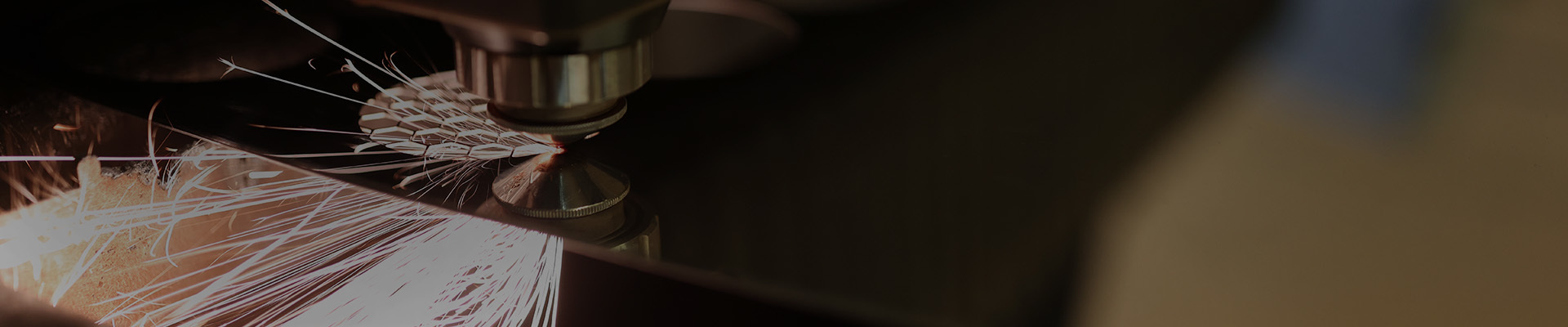
Unlocking Precision: How CO2 Laser Lenses Enhance Cutting Performance
Posted on:
2025-06-05

Unlocking Precision: How CO2 Laser Lenses Enhance Cutting Performance
In the realm of precision cutting, **CO2 laser lenses** play a pivotal role in ensuring accuracy and efficiency. These lenses are engineered to manipulate laser beams, enhancing the cutting performance across various materials. This article explores the profound impact of CO2 laser lenses on cutting processes, their technical aspects, and the factors that contribute to their effectiveness.
Understanding CO2 Laser Technology
CO2 lasers are widely utilized for cutting, engraving, and marking due to their efficiency and versatility. They operate by producing a focused beam of light that interacts with materials, allowing for intricate designs and cuts with high precision. The heart of this technology lies in the **laser lens**, which directs and focuses the laser beam onto the workpiece.
The Science Behind CO2 Laser Lenses
CO2 laser lenses are typically made from materials such as zinc selenide (ZnSe) or germanium, chosen for their excellent transmission properties and resistance to thermal distortion. These materials enable the lenses to efficiently focus the laser beam, achieving the desired intensity at the cutting surface.
How the Lens Affects Laser Performance
The design and quality of the CO2 laser lens significantly impact cutting performance. Factors such as focal length, diameter, and anti-reflective coatings must be considered to optimize the laser's effectiveness. A well-engineered lens minimizes energy loss and maximizes cutting speed, delivering superior results.
Key Benefits of CO2 Laser Lenses
Implementing high-quality CO2 laser lenses in cutting processes offers numerous advantages:
Enhanced Cutting Precision and Speed
One of the primary benefits of using CO2 laser lenses is their ability to achieve **high precision** in cutting. With the correct focal length, the laser beam can be concentrated to a fine point, allowing for intricate designs and sharp edges. This precision is particularly valuable in industries such as **electronics**, where exact specifications are crucial.
Versatility Across Materials
CO2 lasers are capable of cutting a wide variety of materials, including wood, acrylic, metal, and glass. The adaptability of CO2 laser lenses allows them to perform efficiently across these different substrates, making them a preferred choice in manufacturing settings.
Minimized Material Waste
By utilizing accurate laser cutting techniques enabled by high-quality lenses, businesses can significantly reduce material waste. Precise cuts lead to fewer errors and less leftover material, thereby improving overall efficiency and cost-effectiveness.
Choosing the Right CO2 Laser Lens for Your Application
Selecting the appropriate laser lens is crucial for achieving optimal cutting performance. Several factors should guide your choice:
Focal Length Considerations
The focal length of a lens determines the distance at which the laser beam is sharply focused. A shorter focal length can achieve a smaller spot size, ideal for intricate cuts, while a longer focal length may be better for thicker materials.
Lens Diameter and Beam Quality
The diameter of the lens affects the beam quality and the amount of power delivered to the cutting surface. Larger lenses can handle more powerful lasers, improving efficiency and performance in heavy-duty applications.
Coating and Durability
Anti-reflective coatings are essential for minimizing energy loss. High-quality coatings enhance the transmission efficiency of the laser lens, ensuring that more energy reaches the material for cutting. Durability is also a critical factor; lenses must withstand the thermal stress of continuous operation.
Maintenance of CO2 Laser Lenses
Regular maintenance of CO2 laser lenses is vital to ensure consistent performance and longevity. Here are several essential maintenance practices:
Cleaning Techniques
Dust and debris can accumulate on lens surfaces, affecting performance. Use a soft, lint-free cloth and lens cleaner to remove any contaminants. Avoid abrasive materials that could scratch the lens.
Regular Inspection
Periodically inspect lenses for signs of damage or wear. Cracks or discoloration can indicate that the lens needs replacement to maintain optimal cutting quality.
Proper Storage
When not in use, store CO2 laser lenses in protective cases to prevent scratches and contamination. Ensure that the storage environment is dry and free of excessive dust.
Conclusion: The Future of CO2 Laser Cutting Technology
CO2 laser lenses are integral to enhancing cutting performance in various industries. Their ability to deliver high precision, speed, and versatility makes them indispensable tools in modern manufacturing. As technology advances, we can expect even greater improvements in lens materials and designs, further pushing the boundaries of what is possible in precision cutting.
FAQs About CO2 Laser Lenses
1. What materials can be cut using a CO2 laser?
CO2 lasers can cut a wide range of materials, including wood, acrylic, glass, leather, and certain metals.
2. How do I determine the correct focal length for my application?
The correct focal length depends on the thickness of the material you are cutting and the complexity of the design. Shorter focal lengths are better for detailed work, while longer ones are suited for thicker materials.
3. How often should CO2 laser lenses be cleaned?
The frequency of cleaning depends on usage. Regular inspections should be done, and lenses should be cleaned when dust or debris is visible.
4. What are the signs that a CO2 laser lens needs to be replaced?
Common signs include visible scratches, discoloration, or a noticeable decline in cutting performance.
5. Can I use CO2 laser lenses interchangeably between different laser systems?
Not all CO2 laser lenses are interchangeable. It's important to ensure compatibility with your specific laser system to maintain optimal performance.
Related Info
ADD: No. 521, Zhujiang Road, Huqiu District, Suzhou City, Jiangsu Province, China
Follow us